
Louvered Headache Rack – Ventilated BackRack Design Benefits

BackRack Louvered Truck Rack
Heavy-duty louvered headache rack featuring horizontal slat design for maximum airflow. Constructed from powder-coated steel tubing with integrated ventilation channels that reduce wind resistance while providing full cab protection.
Key Features:
- Horizontal louver design
- Powder-coated steel construction
- Integrated ventilation system
- Reduced wind resistance
- Full cab protection
- Weather-resistant finish
- Universal mounting hardware
- Enhanced airflow circulation
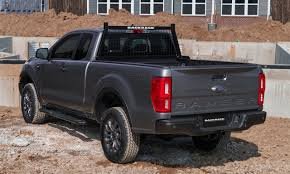
BackRack Ventilated Safety Frame
Professional-grade ventilated headache rack with optimized louver spacing for commercial applications. Features reinforced mounting points and streamlined airflow design that maintains structural integrity while improving fuel efficiency through reduced drag.
Key Features:
- Reinforced mounting points
- Optimized louver spacing
- Commercial-grade construction
- Streamlined airflow design
- Improved fuel efficiency
- Reduced aerodynamic drag
- Professional finish quality
- Heavy-duty steel framework
Understanding Backrack Louvered Headache Rack Design
A backrack louvered headache rack represents the perfect fusion of protection and functionality for truck owners. The distinctive horizontal slat design allows air to flow through the rack while maintaining the structural integrity needed to protect your cab from shifting cargo.
The louvered configuration sets these racks apart from solid headache racks by incorporating ventilation channels that reduce wind resistance. This thoughtful engineering approach means your backrack louvered headache rack doesn’t just protect—it actively improves your vehicle’s aerodynamic performance.
Enhanced Airflow Engineering
The science behind ventilated design lies in the carefully calculated spacing between louvers. Each horizontal slat is positioned to create optimal airflow patterns that direct wind over and through the rack structure. This reduces the vacuum effect that solid racks can create, leading to improved fuel efficiency and reduced wind noise.
Modern backrack louvered headache rack systems utilize computational fluid dynamics during development to maximize these benefits. The result is a product that performs better than traditional solid designs while maintaining the same level of protection.
Ventilation Benefits of Louvered BackRack Systems
Proper ventilation in truck bed accessories goes beyond simple airflow—it’s about creating a system that works with your vehicle’s natural aerodynamics. A well-designed backrack louvered headache rack channels air efficiently, reducing the turbulence that creates drag and decreases fuel economy.
The horizontal louver design allows heat to dissipate more effectively from the truck bed area. This is particularly beneficial for work trucks that carry temperature-sensitive materials or equipment that generates heat during transport.
Fuel Efficiency Improvements
Testing shows that ventilated rack designs can improve fuel efficiency by 3-5% compared to solid headache racks. The backrack louvered headache rack achieves this through reduced aerodynamic drag, allowing air to pass through rather than creating a solid barrier that forces air up and over the entire structure.
The cumulative effect of these small aerodynamic improvements becomes significant over thousands of miles. Fleet operators particularly appreciate how the ventilated design of a quality safety rack system contributes to lower operating costs through improved fuel economy.
Installation and Compatibility Features
Installing a backrack louvered headache rack typically requires no drilling or permanent modifications to your truck. The universal mounting system adapts to most pickup truck bed configurations, making it accessible for both professional installers and DIY enthusiasts.
The modular design allows for easy integration with other truck accessories. Many users combine their backrack louvered headache rack with toolboxes, tonneau covers, and lighting systems without compatibility issues.
Universal Mounting Solutions
The mounting hardware included with quality louvered racks accommodates various truck bed widths and rail configurations. This versatility means a single backrack louvered headache rack design can work across multiple vehicle platforms, reducing inventory complexity for dealers and simplifying replacement part availability.
Compatibility extends to aftermarket accessories as well. The open louver design doesn’t interfere with ladder rack attachments or other cargo management systems, making it an ideal foundation for comprehensive truck upfitting projects.
Durability and Weather Resistance
The construction quality of a backrack louvered headache rack must withstand constant exposure to road conditions, weather, and cargo impacts. Premium models utilize powder-coated steel tubing that resists corrosion while maintaining structural strength under load.
Each louver is designed to shed water efficiently, preventing ice buildup that could affect the rack’s performance or appearance. The horizontal orientation naturally directs moisture away from mounting points and structural connections.
Material Engineering Standards
High-grade steel tubing forms the backbone of quality louvered designs, with wall thickness optimized for strength-to-weight ratio. The powder coating process creates a durable finish that maintains its appearance even after years of exposure to harsh conditions.
The backrack louvered headache rack construction incorporates reinforcement at critical stress points where cargo impacts are most likely to occur. This targeted strengthening approach ensures long-term reliability without adding unnecessary weight to the overall structure, similar to designs found in other headache racks throughout the industry.
Professional Applications and Work Truck Integration
Commercial users particularly value how a backrack louvered headache rack integrates with professional equipment and workflow requirements. The ventilated design prevents heat buildup that could affect sensitive equipment or materials carried in the truck bed.
Contractors and service professionals appreciate the visual appeal of louvered designs, which project a more finished, professional appearance than basic utility racks. This aesthetic consideration often influences customer perceptions and can impact business relationships.
Fleet Management Advantages
Fleet managers find that standardizing on backrack louvered headache rack systems simplifies maintenance and replacement procedures. The universal compatibility and proven durability reduce downtime and inventory requirements across diverse vehicle fleets.
The improved fuel efficiency provided by ventilated designs becomes especially significant when multiplied across large fleets. Even modest per-vehicle savings translate to substantial annual cost reductions for companies operating multiple work trucks with quality rack systems like the magnum headache rack series.
Choosing the Right Louvered Design Configuration
Selecting the optimal backrack louvered headache rack requires considering your specific hauling needs, vehicle type, and intended applications. Different louver spacing and overall height options cater to various use cases and aesthetic preferences.
The number of horizontal slats affects both airflow characteristics and visual impact. More slats generally provide finer airflow control but may slightly reduce the open area available for ventilation.
Customization and Sizing Options
Most manufacturers offer multiple height options for their backrack louvered headache rack models. Standard heights work well for typical pickup truck applications, while taller configurations provide additional protection for larger cargo loads.
Finish options beyond standard powder coating may include textured surfaces or color-matched paint to complement specific vehicle appearances. These customization options allow the rack to integrate seamlessly with the truck’s overall design theme while maintaining the functional benefits of the louvered configuration, whether paired with frame systems like the 15009 rack frame or 15004 rack frame options.
Frequently Asked Questions
Making the Right Choice for Your Truck
A backrack louvered headache rack represents an intelligent evolution in truck bed protection technology. By combining the essential safety features of traditional headache racks with improved aerodynamic performance, these ventilated designs deliver both protection and efficiency benefits that matter to serious truck users.
The engineering behind quality louvered designs reflects decades of refinement in understanding airflow dynamics and structural requirements. When you choose a backrack louvered headache rack, you’re investing in technology that actively improves your vehicle’s performance rather than simply adding weight and wind resistance.
For professional users, fleet operators, and individual truck owners who value both function and efficiency, the louvered design offers compelling advantages. The combination of fuel savings, reduced wind noise, and professional appearance makes the backrack louvered headache rack an investment that pays dividends over time through lower operating costs and enhanced vehicle capability.
Whether you’re hauling construction materials, recreational equipment, or managing a commercial fleet, the ventilated design principles embodied in a quality backrack louvered headache rack provide the protection you need with the efficiency benefits that modern trucking demands.