
Antenna & Beacon Mount Communication Accessories for Professional Vehicles
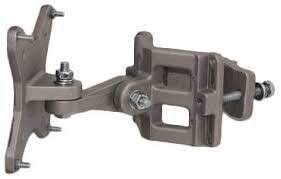
Heavy-Duty Antenna Mount Kit
Professional-grade mounting system designed for secure antenna installation on work trucks and commercial vehicles. Features reinforced steel construction with weather-resistant coating for long-lasting performance in demanding environments.
Key Features:
- Reinforced steel construction
- Weather-resistant powder coating
- Universal mounting compatibility
- Tool-free installation design
- Vibration dampening technology
- Corrosion-resistant hardware
- Adjustable positioning system

Emergency Beacon Mount System
Specialized mounting solution for emergency beacons and warning lights on service vehicles. Engineered for first responders and emergency services with quick-release functionality and maximum visibility positioning capabilities.
Key Features:
- Quick-release mechanism
- 360-degree rotation capability
- High-strength aluminum base
- Shock-absorbing mount design
- Multiple beacon compatibility
- Secure locking system
- Professional installation hardware
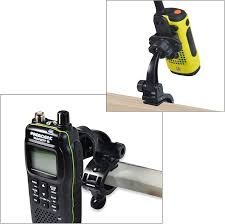
Multi-Purpose Communication Mount
Versatile mounting platform accommodating various communication equipment including antennas, beacons, and auxiliary devices. Perfect for fleet vehicles requiring multiple communication accessories with streamlined installation process.
Key Features:
- Multi-device compatibility
- Modular expansion system
- Heavy-duty steel frame
- Cable management integration
- Weatherproof seal design
- Universal vehicle fit
- Professional grade finish
- Load capacity up to 50 lbs
Essential Features of Professional Antenna Mount Systems
Modern vehicle communication demands reliable mounting solutions that withstand harsh operating conditions. A quality backrack antenna mount provides the foundation for effective communication systems in commercial and emergency vehicle applications.
Professional mounting systems incorporate reinforced construction materials to handle vibration, weather exposure, and continuous use. Steel and aluminum components resist corrosion while maintaining structural integrity under stress.
Compatibility across vehicle types ensures versatility for fleet operations. Universal mounting designs accommodate various truck bed configurations and rack systems without requiring custom modifications.
Weather Resistance and Durability
Operating environments expose communication equipment to extreme temperatures, moisture, and road debris. Quality antenna mounts feature protective coatings and sealed connections that prevent corrosion and electrical failures.
Powder-coated finishes provide superior protection against rust and UV damage compared to standard paint applications. Stainless steel hardware resists galvanic corrosion when exposed to salt and moisture.
Vibration dampening technology reduces stress on mounted equipment during vehicle operation. Rubber isolators and flexible mounting points absorb road shock that could damage sensitive communication devices.
Installation Considerations for Backrack Antenna Mount Systems
Proper installation ensures optimal performance and longevity of communication equipment. A backrack antenna mount requires careful positioning to maximize signal transmission while maintaining vehicle functionality.
Mounting height affects signal range and reception quality for radio communications. Higher positions typically provide better coverage but may impact vehicle clearance in parking structures or loading docks.
Cable routing protects wiring from damage and maintains clean vehicle appearance. Integrated cable management systems guide connections through protected pathways to interior equipment.
Professional Installation Best Practices
Torque specifications ensure secure mounting without over-stressing components. Following manufacturer guidelines prevents failure under normal operating conditions and maintains warranty coverage.
Electrical connections require proper grounding to prevent interference and ensure reliable operation. Quality ground connections improve signal clarity and reduce electrical noise in communication systems.
Testing procedures verify proper function before placing equipment into service. Signal strength measurements and functionality checks identify potential issues before they affect operations.
Beacon Mount Applications in Emergency and Commercial Vehicles
Emergency response vehicles require highly visible warning systems to ensure public safety during operations. A backrack antenna mount system can accommodate both communication antennas and emergency beacons on a single platform.
Visibility requirements vary by jurisdiction and vehicle type. Municipal regulations often specify minimum height and positioning standards for emergency warning equipment on authorized vehicles.
Quick-release mechanisms allow temporary beacon installation for vehicles that perform dual roles. Construction crews and utility workers may need emergency lighting only during specific operations.
Commercial Fleet Communication Needs
Fleet management relies on consistent communication capabilities across all vehicles. Standardized mounting systems simplify equipment replacement and maintenance procedures for large vehicle fleets.
Multiple antenna requirements accommodate GPS tracking, two-way radio, and cellular communication systems. Modern commercial vehicles often require several communication devices operating simultaneously without interference.
The same reliable mounting technology used for lighting accessories ensures communication equipment remains securely positioned during demanding work operations.
Technology Integration with Modern Communication Equipment
Contemporary communication systems incorporate advanced technologies requiring specialized mounting considerations. A backrack antenna mount must accommodate evolving equipment while maintaining backward compatibility with existing systems.
Digital radio systems operate at higher frequencies requiring precise antenna positioning for optimal performance. Slight positioning errors can significantly impact signal quality and communication range.
GPS and cellular antennas have specific radiation pattern requirements affecting mounting orientation. Professional installation considers these technical factors to maximize system effectiveness.
Future-Proofing Communication Installations
Modular mounting designs accommodate equipment upgrades without complete system replacement. Expandable platforms allow adding new communication technologies as they become available or required.
Cable infrastructure planning anticipates future equipment additions. Oversized conduits and spare connection points simplify system expansions without major modifications.
Compatibility with existing vehicle electrical systems prevents conflicts with factory equipment. Professional installation maintains vehicle warranties while adding essential communication capabilities.
Maintenance and Service Requirements for Mounted Communication Equipment
Regular maintenance ensures continued reliability of communication systems in demanding work environments. A backrack antenna mount requires periodic inspection to identify wear or damage before equipment failure occurs.
Connection points accumulate corrosion over time, particularly in marine or winter road salt environments. Annual cleaning and protective treatment extends equipment life and maintains signal quality.
Mechanical fasteners may loosen due to vibration and thermal cycling. Scheduled torque checks prevent equipment loss and maintain secure mounting under all operating conditions.
Preventive Maintenance Procedures
Visual inspections identify obvious damage or wear patterns affecting equipment performance. Cracked mounting brackets or corroded connections require immediate attention to prevent system failures.
Electrical testing verifies continued signal quality and proper grounding connections. Performance degradation often develops gradually, making regular testing essential for maintaining communication effectiveness.
Similar maintenance principles apply to light bar mount systems where secure attachment and electrical integrity remain critical for safe vehicle operation.
Frequently Asked Questions
Choosing the Right Communication Mounting Solution
Professional communication systems require mounting solutions that deliver reliability, versatility, and long-term performance in demanding work environments. A quality backrack antenna mount provides the foundation for effective vehicle communication while withstanding the rigors of commercial and emergency vehicle operations.
Investment in professional-grade mounting equipment pays dividends through reduced maintenance costs, improved system reliability, and enhanced communication effectiveness. Quality mounting systems protect valuable communication equipment while ensuring consistent performance across diverse operating conditions.
Proper selection and installation of communication mounting systems supports operational efficiency and safety for commercial fleets and emergency services. The right mounting solution accommodates current equipment while providing flexibility for future technology upgrades.
Professional installation and regular maintenance maximize the return on investment in communication equipment while ensuring reliable performance when it matters most. Quality mounting systems form the critical foundation that enables effective communication in professional vehicle applications.