Tundra BackRack: Complete Guide to Toyota Tundra Headache Racks
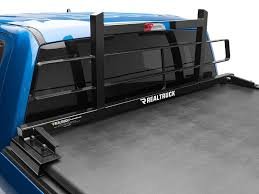
Original BackRack for Toyota Tundra
The flagship Tundra BackRack featuring aircraft-grade aluminum construction and integrated tie-down points. This versatile headache rack provides maximum rear window protection while maintaining easy cab access through the removable center section design.
Key Features:
- Aircraft-grade aluminum construction
- Removable center section
- Integrated tie-down points
- Rear window protection
- Powder-coated finish
- Tool-free installation
- Dual side rails
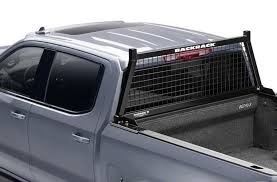
Safety Rack Frame for Toyota Tundra
Heavy-duty steel construction Tundra BackRack designed for maximum protection and load management. Features expanded cargo organization capabilities with multiple accessory mounting points and reinforced frame rails for demanding work environments.
Key Features:
- Heavy-duty steel frame
- Multiple accessory mounts
- Reinforced construction
- Load bar compatibility
- Weather-resistant coating
- Enhanced side protection
- Professional installation hardware
- Expanded tie-down options
Why Choose a Tundra BackRack for Your Toyota Pickup
The Toyota Tundra demands equipment that matches its legendary durability and performance capabilities. A Tundra BackRack delivers essential rear window protection while transforming your truck bed into a more versatile cargo management system.
Unlike generic headache racks, a properly fitted Tundra BackRack integrates seamlessly with your Toyota’s design language and mounting points. The precision engineering ensures optimal weight distribution and maintains your truck’s structural integrity during heavy hauling operations.
Enhanced Cargo Management
Modern Tundra BackRack systems extend far beyond basic window protection. Integrated tie-down points and accessory mounting locations allow you to secure everything from construction materials to recreational equipment with confidence.
The elevated framework creates additional vertical storage space, enabling you to carry longer items like lumber, ladders, or kayaks without compromising bed accessibility. This versatility makes your Tundra more productive for both work and recreational applications.
Professional Appearance and Functionality
A quality Tundra BackRack enhances your truck’s professional appearance while providing practical benefits that improve daily usability. The sleek profile complements the Tundra’s bold styling without creating excessive wind resistance or compromising fuel economy.
Many professionals choose headache rack systems specifically for the credibility and capability they communicate to clients and colleagues.
Tundra BackRack Installation and Compatibility
Installing a Tundra BackRack requires attention to your specific model year and bed configuration. Toyota has made several changes to the Tundra platform over the years, affecting mounting points and dimensional requirements for proper fitment.
Most modern Tundra BackRack systems utilize the factory tie-down points and stake pocket locations for secure mounting. This approach preserves your truck’s warranty while ensuring the rack integrates properly with existing vehicle systems.
Model Year Considerations
The 2007-2021 Toyota Tundra generation shares similar bed dimensions and mounting configurations, making rack selection relatively straightforward. However, the redesigned 2022+ Tundra features updated bed architecture that requires generation-specific hardware.
Bed length options including 5.5-foot, 6.5-foot, and 8-foot configurations each require different Tundra BackRack dimensions. Verify your exact bed length before ordering to ensure proper fitment and functionality.
Professional vs. DIY Installation
While many Tundra BackRack systems offer straightforward installation procedures, professional mounting ensures optimal safety and performance. Proper torque specifications and alignment are critical for maintaining structural integrity under load.
The installation process typically involves securing mounting brackets to factory locations, positioning the main framework, and adjusting for proper clearances. Similar attention to detail applies whether you’re installing systems for Ford F-150 applications or other truck platforms.
Material Construction and Durability Features
Premium Tundra BackRack construction utilizes either aircraft-grade aluminum or heavy-duty steel depending on your specific requirements and preferences. Each material offers distinct advantages for different applications and environments.
Aluminum Tundra BackRack systems provide excellent corrosion resistance and reduced weight impact on your truck’s payload capacity. The lightweight construction doesn’t compromise strength, with proper engineering delivering impressive load-bearing capabilities.
Steel Frame Advantages
Steel construction offers maximum strength and impact resistance for demanding work environments. Heavy-duty Tundra BackRack models feature reinforced joints and thicker wall tubing for applications requiring extreme durability.
The powder-coating process protects steel frames from corrosion while providing a professional appearance that complements your Tundra’s finish. Multiple color options ensure your rack integrates seamlessly with your truck’s aesthetic.
Weather Resistance and Longevity
Quality Tundra BackRack systems undergo extensive testing to ensure performance in extreme weather conditions. UV-resistant finishes prevent fading and degradation from constant sun exposure.
Salt spray testing verifies corrosion resistance for coastal environments and winter driving conditions. This attention to durability ensures your investment maintains both appearance and functionality for years of reliable service, whether you’re using similar systems for Ram 2500 trucks or other heavy-duty applications.
Accessory Integration and Customization Options
Modern Tundra BackRack systems serve as the foundation for comprehensive cargo management solutions. Integrated mounting points accommodate various accessories that enhance your truck’s versatility and functionality.
Load bars extend across the rack framework, creating elevated storage for long items like lumber, pipe, or recreational equipment. The adjustable positioning allows you to optimize space utilization while maintaining easy access to the truck bed below.
Lighting and Visibility Enhancements
Many Tundra BackRack models offer integrated mounting points for additional lighting systems. Work lights, light bars, and beacon systems can be securely mounted to improve visibility and safety during nighttime operations.
The elevated mounting position provides optimal light distribution while protecting expensive lighting equipment from damage. Integrated wiring channels keep electrical connections clean and protected from the elements.
Tool and Equipment Storage
Specialized accessories transform your Tundra BackRack into a mobile equipment storage system. Tool boxes, ladder racks, and equipment holders mount securely to the framework without compromising the truck bed space below.
This modular approach allows you to customize your setup for specific applications, whether you’re configuring for construction work, landscaping operations, or recreational activities. The same versatility found in vehicle-specific rack systems across different truck platforms applies to Tundra applications.
Safety Considerations and Load Management
Proper load distribution and securing techniques are essential when using any Tundra BackRack system. Understanding weight limits and tie-down procedures ensures safe operation while protecting your equipment and other drivers.
Manufacturer specifications provide clear guidance on maximum load capacities for different mounting points and configurations. Exceeding these limits can compromise safety and potentially damage your truck or rack system.
Secure Tie-Down Techniques
Integrated tie-down points on your Tundra BackRack provide secure attachment locations for straps, bungees, and rope. Use appropriate hardware rated for your load weight and always follow manufacturer recommendations for securing techniques.
Distribute loads evenly across multiple tie-down points rather than concentrating weight at single locations. This approach reduces stress concentrations and provides redundant securing in case of individual strap failure.
Rear Window Protection
The primary safety function of any Tundra BackRack involves protecting your rear window from shifting cargo. Even properly secured loads can shift during emergency braking or sudden maneuvering situations.
The rack framework provides a protective barrier that prevents cargo from contacting the glass while maintaining visibility through the rear window. This protection proves especially valuable when hauling materials like lumber, pipe, or construction equipment, similar to protection offered by systems designed for Chevy Silverado applications.
Maintenance and Long-Term Care
Regular maintenance ensures your Tundra BackRack continues providing reliable service throughout years of use. Simple care procedures protect your investment while maintaining both appearance and functionality.
Periodic cleaning removes dirt, salt, and debris that can accelerate corrosion or damage protective finishes. Use appropriate cleaning products that won’t harm powder-coating or anodized surfaces.
Hardware Inspection and Maintenance
Regularly inspect mounting hardware for proper tightness and signs of wear or corrosion. Vibration and thermal cycling can cause fasteners to loosen over time, potentially compromising rack security.
Lubricate moving parts like hinges or adjustable components according to manufacturer specifications. Proper lubrication prevents binding and ensures smooth operation of removable sections or adjustable features.
Finish Protection and Restoration
Touch-up paint or protective coatings help maintain your Tundra BackRack’s appearance and prevent corrosion at chip or scratch locations. Address finish damage promptly to prevent underlying metal exposure.
Wax or protective treatments designed for automotive finishes can enhance appearance and provide additional protection against environmental factors. The same care principles apply whether maintaining systems for Ford F-250 trucks or other commercial applications.
Frequently Asked Questions
Choosing the Right Tundra BackRack for Your Needs
Selecting the ideal Tundra BackRack requires careful consideration of your specific applications, truck configuration, and performance requirements. Whether you prioritize maximum strength for heavy-duty work applications or lightweight versatility for mixed use, quality options exist to meet your needs.
The investment in a properly fitted Tundra BackRack pays dividends through enhanced safety, improved cargo management, and increased truck versatility. Professional-grade construction ensures years of reliable service while maintaining your Toyota Tundra’s legendary durability and performance capabilities.
Consider your specific requirements including load types, frequency of use, and desired accessories when evaluating different Tundra BackRack options. Quality systems from reputable manufacturers provide the engineering and construction standards necessary for demanding applications, similar to proven solutions available for Ford F-350 platforms and other heavy-duty trucks.
The right Tundra BackRack transforms your truck into a more capable and professional work vehicle while protecting your investment in both the truck and the cargo you carry. Take time to research options, verify compatibility, and choose a system that matches your specific requirements for optimal long-term satisfaction and performance.