BackRack for Utility Body Trucks: Professional Protection Solutions
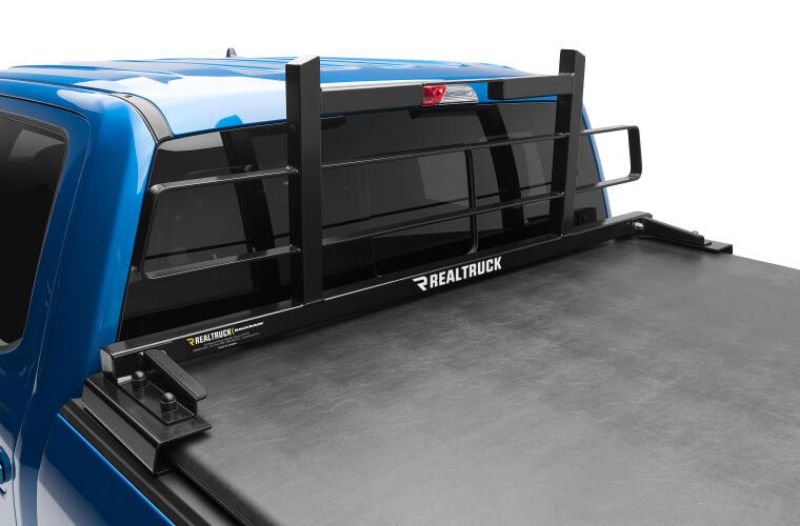
Original Backrack for Utility Bodies
Heavy-duty aluminum construction designed specifically for utility body and service body trucks. Features adjustable mounting system and professional-grade finish for maximum durability and protection in commercial applications.
Key Features:
- Adjustable mounting system for various utility body widths
- Corrosion-resistant aluminum construction
- Professional powder-coat finish
- Compatible with tonneau covers
- Easy bolt-on installation
- Integrated tie-down points
- Load distribution support design
- Rear window protection capability
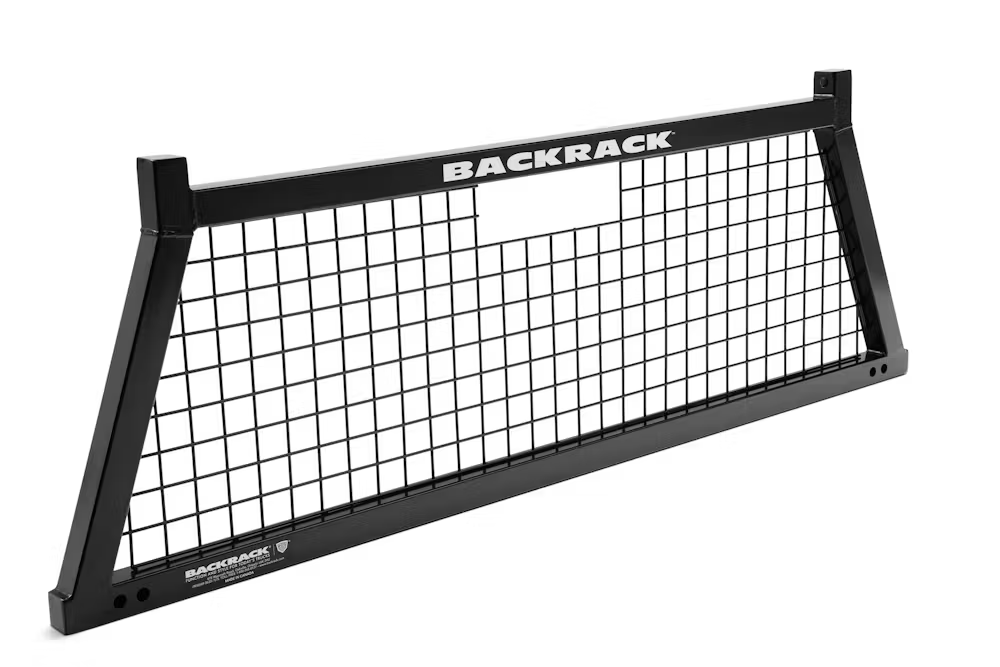
Safety Backrack for Service Bodies
Premium safety-focused backrack designed for service body trucks with enhanced visibility features. Incorporates safety lighting compatibility and reinforced construction to meet commercial fleet requirements while providing superior cab protection.
Key Features:
- Safety light mounting provisions
- Reinforced vertical support bars
- Reflective strip integration
- Heavy-duty steel construction
- Fleet-approved mounting system
- Weather-resistant coating
- Load shifting protection
- Professional installation hardware included
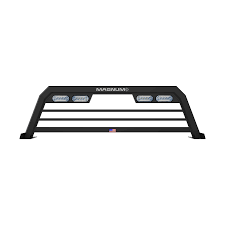
Low Profile Flatbed Backrack
Streamlined backrack solution engineered for flatbed trucks requiring minimal height restrictions. Offers essential protection while maintaining aerodynamic profile and accommodating specialized loading equipment or overhead clearance requirements.
Key Features:
- Low profile aerodynamic design
- Reinforced aluminum framework
- Clearance light compatibility
- Adjustable width configuration
- Lightweight yet durable construction
- Easy access design for loading
- DOT compliance ready
- Corrosion-resistant hardware
Understanding BackRack for Utility Body Applications
A backrack for utility body trucks serves as essential protection equipment for commercial vehicles, safeguarding both the cab and cargo area from shifting loads. These specialized mounting systems are engineered to handle the unique demands of service body and flatbed configurations.
Utility body trucks require different mounting approaches compared to standard pickup beds due to their reinforced construction and specialized equipment mounting. The backrack for utility body applications must accommodate wider spans, heavier loads, and integration with existing utility body features.
Commercial Vehicle Protection Requirements
Commercial fleets rely on backrack for utility body installations to meet safety regulations and protect valuable equipment investments. These systems prevent load shifting during transport while providing mounting points for additional safety equipment.
Service body trucks often carry loose materials, tools, and equipment that can shift unexpectedly during transport. A properly installed backrack for utility body creates a barrier that prevents materials from damaging the cab or creating hazardous driving conditions.
Integration with Existing Equipment
Modern utility bodies feature integrated storage systems, crane mounts, and specialized equipment that must be considered when selecting a backrack for utility body applications. Compatibility with existing mounting points and clearance requirements ensures optimal functionality.
Many service body manufacturers now offer pre-drilled mounting locations specifically designed for headache racks and backrack systems, simplifying the installation process for fleet managers.
Installation Considerations for Service Body Trucks
Installing a backrack for utility body trucks requires careful measurement and planning to ensure proper fit and function. Service body dimensions vary significantly between manufacturers, making precise measurement critical for successful installation.
The mounting process typically involves securing brackets to the utility body frame at reinforced mounting points. These locations are designed to distribute the load evenly across the utility body structure, preventing stress concentrations that could lead to damage.
Mounting Point Selection
Proper mounting point selection for a backrack for utility body applications depends on the specific utility body design and load requirements. Most installations utilize the utility body’s integrated mounting provisions or require custom bracket fabrication.
Reinforced mounting areas on utility bodies are typically located near the cab end, where the body structure is strongest. These areas provide the necessary support for a backrack for utility body while maintaining structural integrity under load.
Hardware and Fastener Requirements
Commercial-grade hardware is essential for backrack for utility body installations due to the increased stress and vibration encountered in commercial applications. Stainless steel or zinc-plated fasteners provide corrosion resistance in harsh operating environments.
Torque specifications for mounting hardware must be followed precisely to ensure proper clamping force without damaging the utility body structure. Over-tightening can cause stress concentrations, while under-tightening may allow movement that leads to fatigue failure.
Material Selection and Durability Features
The construction materials used in a backrack for utility body applications must withstand commercial use conditions including weather exposure, chemical contact, and mechanical stress. Aluminum and steel are the primary materials used, each offering distinct advantages.
Aluminum construction provides excellent corrosion resistance and weight savings, making it ideal for backrack for utility body applications where payload capacity is critical. The material’s natural oxide coating provides long-term protection against environmental exposure.
Steel vs. Aluminum Construction
Steel construction offers maximum strength for heavy-duty backrack for utility body applications where extreme loads are encountered. Modern steel backracks feature advanced coating systems that provide corrosion protection comparable to aluminum.
The choice between steel and aluminum for a backrack for utility body depends on specific application requirements, budget considerations, and maintenance preferences. Both materials can provide decades of reliable service when properly maintained.
Coating and Finish Options
Powder coating systems used on backrack for utility body products provide superior durability compared to liquid paint systems. The electrostatically applied coating creates a uniform finish that resists chipping, scratching, and chemical exposure.
Some manufacturers offer specialized finishes for backrack for utility body applications, including textured surfaces for improved grip and high-visibility colors for enhanced safety in commercial environments.
Load Management and Safety Benefits
A properly installed backrack for utility body provides critical load management capabilities that enhance both safety and operational efficiency. These systems create defined cargo areas and prevent load shifting that can affect vehicle handling.
Commercial vehicles carrying loose materials benefit significantly from backrack for utility body installations, as these systems provide a positive barrier against forward load movement during braking or impact situations.
Load Distribution Principles
Effective load distribution is essential for maintaining vehicle stability and preventing damage to both cargo and vehicle structure. A backrack for utility body helps distribute impact forces across multiple mounting points rather than concentrating stress at single locations.
The vertical structure of a backrack for utility body also provides load containment during transport, preventing materials from shifting laterally and affecting the vehicle’s center of gravity.
Safety Compliance Standards
Many commercial applications require compliance with Department of Transportation regulations for load securement. A backrack for utility body can serve as an integral part of a complete load securement system when properly designed and installed.
Fleet operators often specify backrack for utility body installations as standard equipment to ensure consistent safety practices across their vehicle fleet. This standardization simplifies training and maintenance procedures while ensuring regulatory compliance.
Integration with Vehicle Systems
Modern backrack for utility body designs can integrate with vehicle lighting systems, providing mounting points for additional safety lights or work lighting. This integration capability makes these systems particularly valuable for vehicle-specific racks applications where custom functionality is required.
Maintenance and Long-Term Performance
Regular maintenance of a backrack for utility body ensures optimal performance and extends service life in demanding commercial applications. Inspection schedules should include checking mounting hardware torque, examining structural components for damage, and maintaining protective finishes.
The harsh operating conditions encountered by utility body trucks can accelerate wear on backrack systems. Road salt, chemicals, and mechanical abuse require more frequent maintenance intervals compared to light-duty applications.
Inspection Protocols
Establishing regular inspection protocols for backrack for utility body installations helps identify potential issues before they become safety concerns. Visual inspections should focus on mounting hardware, structural integrity, and finish condition.
Documenting inspection results creates a maintenance history that can help identify patterns of wear or recurring issues with specific backrack for utility body configurations.
Component Replacement Strategies
Component replacement strategies for backrack for utility body systems should prioritize safety-critical elements such as mounting hardware and structural members. Preventive replacement of wear items can prevent unexpected failures in commercial applications.
Maintaining an inventory of common replacement parts for backrack for utility body installations reduces vehicle downtime and ensures consistent fleet availability for commercial operations.
Frequently Asked Questions
Choosing the Right BackRack for Your Utility Body Truck
Selecting the appropriate backrack for utility body trucks requires careful consideration of your specific application requirements, vehicle configuration, and operational demands. The investment in quality protection equipment pays dividends through reduced damage, improved safety, and enhanced load management capabilities.
Whether you operate a single service truck or manage a large commercial fleet, a properly specified and installed backrack for utility body provides essential protection for both personnel and equipment. The key is matching the system capabilities to your actual needs while ensuring compatibility with existing vehicle systems and accessories.
Professional installation and regular maintenance ensure that your backrack for utility body delivers reliable performance throughout its service life. Following manufacturer guidelines for installation, loading, and maintenance helps maximize the return on your protection equipment investment.
As commercial vehicle applications continue to evolve, backrack for utility body systems adapt to meet new challenges and requirements. Staying informed about the latest developments in protection equipment technology helps ensure that your fleet maintains optimal safety and operational efficiency standards.