Ladder Rack Rear Bar Systems for Professional Hauling
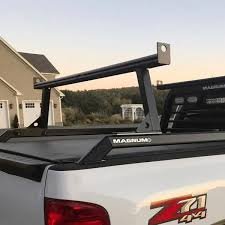
BackRack Rear Bar Extension Kit
Professional-grade rear bar extension system designed for secure ladder and equipment transport. Features heavy-duty steel construction with powder-coated finish for maximum durability and weather resistance in demanding commercial applications.
Key Features:
- Heavy-duty steel construction
- Powder-coated corrosion resistance
- Universal truck bed compatibility
- Tool-free installation system
- Adjustable width configuration
- Professional load rating
- Integrated tie-down points
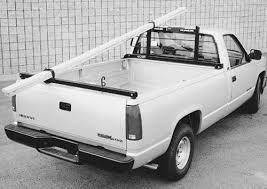
BackRack Full Frame Ladder System
Complete backrack ladder rack solution combining headache rack protection with rear bar functionality. Engineered for contractors and professionals requiring maximum hauling capacity with integrated safety features and streamlined installation process.
Key Features:
- Full frame integration
- Maximum load capacity
- Cab protection design
- Rear extension compatibility
- Professional installation
- Multi-point mounting
- Commercial-grade materials
- Lifetime structural warranty
Understanding BackRack Ladder Rack Rear Bar Systems
A backrack ladder rack rear bar system transforms your pickup truck into a professional hauling machine capable of transporting ladders, lumber, and equipment with confidence. These specialized systems extend beyond the truck bed, creating additional length for oversized loads while maintaining structural integrity.
The rear bar component serves as the critical anchor point for securing long materials that extend past your tailgate. When properly installed, a backrack ladder rack creates a stable three-point support system that distributes weight evenly across the truck’s frame.
Professional contractors rely on these systems because they eliminate the need for multiple trips or rental trailers. The integrated design works seamlessly with existing headache racks to provide comprehensive load management solutions that enhance both safety and productivity.
Key Components of Professional BackRack Ladder Rack Systems
Every effective backrack ladder rack system consists of several critical components that work together to create a secure hauling platform. The rear bar assembly serves as the primary extension point, engineered to handle substantial loads while maintaining structural stability.
The mounting hardware connects directly to your truck’s frame, ensuring proper load distribution and preventing damage to the vehicle. High-quality systems feature reinforced connection points that exceed industry safety standards for commercial applications.
Frame Integration Technology
Modern backrack ladder rack systems utilize advanced frame integration that connects the rear bar to the truck’s structural elements. This approach maximizes load capacity while minimizing stress concentration points that could lead to failure under heavy use.
The integration process involves precision-engineered brackets that distribute forces across multiple frame members. This design philosophy ensures that your backrack ladder rack system can handle demanding commercial applications without compromising vehicle integrity.
Load Distribution Engineering
Proper load distribution represents the foundation of effective backrack ladder rack performance. The rear bar works in conjunction with the main rack structure to create multiple support points that prevent sagging and maintain material stability during transport.
Engineered systems calculate load paths to ensure that weight transfers efficiently through the mounting points to the truck frame. This scientific approach to design enables professional contractors to transport heavy materials with confidence in their backrack ladder rack system’s capabilities.
Installation and Compatibility Considerations
Installing a backrack ladder rack rear bar system requires careful attention to truck compatibility and mounting specifications. Most systems are designed to work with standard pickup truck bed dimensions, but verification of specific measurements ensures optimal fit and performance.
The installation process typically involves securing mounting brackets to predetermined points on the truck frame. Professional installation ensures that all connection points meet manufacturer specifications and local safety requirements for commercial vehicle modifications.
Truck Bed Integration
Successful backrack ladder rack installation depends on proper integration with existing truck bed features. The rear bar must clear tailgate operation while providing adequate clearance for loading and unloading operations.
Compatibility extends beyond basic dimensions to include considerations for existing equipment like tonneau covers, bed liners, and other accessories. A well-designed backrack ladder rack system accommodates these features without requiring removal or modification.
Frame Mounting Specifications
Proper mounting requires identification of suitable frame attachment points that can handle the anticipated loads. The backrack ladder rack system must connect to structural members capable of supporting both static and dynamic forces encountered during normal use.
Mounting specifications typically include torque requirements, hardware grades, and inspection intervals to maintain system integrity. Following manufacturer guidelines ensures that your backrack ladder rack provides reliable service throughout its operational life.
Quality systems often integrate with existing safety rack configurations to provide comprehensive protection and hauling capabilities in a single installation.
Load Capacity and Safety Features
Understanding load capacity limitations ensures safe operation of your backrack ladder rack system. Manufacturers specify maximum load ratings based on engineering calculations that account for material properties, mounting configurations, and safety factors.
Safety features built into professional backrack ladder rack systems include reinforced mounting points, corrosion-resistant finishes, and integrated tie-down locations. These elements work together to provide reliable performance in demanding commercial environments.
Maximum Load Calculations
Load capacity depends on several factors including rear bar length, mounting configuration, and truck specifications. A properly engineered backrack ladder rack distributes loads to prevent exceeding individual component limitations while maximizing overall hauling capacity.
Dynamic loads encountered during acceleration, braking, and cornering can significantly exceed static weight values. Professional systems account for these factors in their design specifications to ensure safe operation under all normal driving conditions.
Tie-Down Integration
Effective load securing requires strategic placement of tie-down points throughout the backrack ladder rack system. The rear bar typically includes multiple anchor locations that accommodate various strap and rope configurations for different load types.
Integrated tie-down points are engineered to handle substantial securing forces without deforming or failing. This attention to detail ensures that loads remain stable throughout transport, protecting both the cargo and other road users from potential hazards.
Many professional installations complement standard configurations with specialized components like the magnum headache rack for enhanced load management capabilities.
Material Construction and Durability
Professional backrack ladder rack systems utilize high-grade steel construction designed to withstand years of commercial use. The material selection process considers factors like strength-to-weight ratio, corrosion resistance, and manufacturing consistency to ensure reliable performance.
Surface treatments protect the underlying steel from environmental damage while maintaining the structural integrity essential for safe load transport. Powder coating represents the industry standard for its combination of durability, appearance, and cost-effectiveness.
Steel Grade Selection
The steel used in quality backrack ladder rack construction meets specific strength and ductility requirements that ensure predictable performance under load. High-strength steel allows for lighter construction without sacrificing load capacity or safety margins.
Manufacturing processes like precision welding and heat treatment optimize the material properties to create joints and connections that exceed the strength of the base material. This approach ensures that the backrack ladder rack system performs as designed throughout its service life.
Corrosion Protection Systems
Environmental protection begins with proper surface preparation that removes contaminants and creates optimal conditions for coating adhesion. The backrack ladder rack receives multiple treatment stages that build comprehensive protection against moisture, salt, and chemical exposure.
Advanced coating systems provide both barrier protection and sacrificial protection that prevents corrosion from reaching the base material. This multi-layer approach ensures that your backrack ladder rack maintains its structural integrity and appearance despite harsh operating conditions.
Frame compatibility extends to specialized applications, with systems like the BackRack 15009 rack frame offering specific solutions for demanding commercial requirements.
Maintenance and Long-term Performance
Regular maintenance ensures optimal performance and extends the service life of your backrack ladder rack system. Inspection schedules should include checking mounting hardware, examining structural components, and verifying that all moving parts operate smoothly.
Preventive maintenance identifies potential issues before they compromise system integrity or safety. Simple procedures like cleaning, lubrication, and hardware retorquing can prevent costly repairs and ensure continued reliable operation.
Inspection Protocols
Systematic inspection of your backrack ladder rack should focus on critical areas like mounting points, weld joints, and load-bearing components. Visual examination can identify signs of fatigue, corrosion, or damage that require attention before they lead to failure.
Documenting inspection results creates a maintenance history that helps identify wear patterns and predict when components may require replacement. This proactive approach minimizes downtime and ensures that your backrack ladder rack remains ready for demanding applications.
Hardware Maintenance
Mounting hardware requires periodic attention to maintain proper torque specifications and prevent loosening due to vibration and thermal cycling. Using appropriate torque values prevents both under-tightening that allows movement and over-tightening that can damage threads or components.
Replacement hardware should meet or exceed original specifications to maintain system integrity. Quality backrack ladder rack systems use grade-rated fasteners that provide consistent performance and resist corrosion in demanding environments.
Specialized configurations like the louvered headache rack may require specific maintenance procedures to ensure optimal airflow and structural performance over time.
Frequently Asked Questions
Maximizing Your Investment in BackRack Ladder Rack Technology
A professional backrack ladder rack rear bar system represents a significant investment in your vehicle’s hauling capabilities and your business productivity. The combination of engineered strength, practical functionality, and long-term durability makes these systems essential equipment for contractors, trades professionals, and anyone requiring reliable material transport solutions.
The key to maximizing your backrack ladder rack investment lies in selecting the appropriate system for your specific needs and ensuring proper installation and maintenance. Quality systems like those compatible with BackRack 15004 rack frame configurations provide the foundation for years of reliable service when properly maintained and operated within design specifications.
Proper load management, regular maintenance, and adherence to safety guidelines ensure that your backrack ladder rack system continues delivering professional-grade performance throughout its operational life. The initial investment in quality equipment pays dividends through reduced transportation costs, improved efficiency, and enhanced safety for both operators and the general public.
Choosing the right backrack ladder rack system transforms your pickup truck into a versatile commercial vehicle capable of handling the demanding requirements of professional applications. With proper selection, installation, and care, these systems provide the reliability and performance that modern businesses demand from their equipment investments.